
"Soil Security" Overseas Exchange and Practice
2026-05-12
From February 21 to 27, 2026, 18 undergraduates from the College of Environmental and Resource Sciences at Zhejiang University, led by Professors Chen Songchao and Chen Yizhou, went to the University of Sydney in Australia to participate in the "Soil Security" course. They also conducted fieldwork and exchanges at Hunter Valley, Department of Climate Change, Energy, the Environment and Water, and the China Studies Centre of the University of Sydney, broadening their global perspective through cross-cultural dialogue and deepening their professional understanding through practice.
Pursuing Knowledge in the University of Sydney
During their academic visit to Australia, the practice team first traveled to the University of Sydney, where they participated in a three-day course on Soil Security. The course was delivered by Professor Alex McBratney, the proposer of the "Soil Security" concept and a leading figure in international soil science (Fellow of the Australian Academy of Science), along with Professor Budiman Minasny (also a Fellow of the Australian Academy of Science) and their core team members.
In the classroom sessions, Professor McBratney systematically outlined the evolution of the soil security concept—from its theoretical origins to its emergence as a global consensus. He provided an in-depth analysis of the 5C’s assessment framework, which comprises "Capacity," "Condition," "Capital," "Connectivity," and "Codification." He emphasized that accurate soil assessment must be grounded in unified pedological units, offering students a comprehensive cognitive framework bridging theory and application.
The course further delved into the estimation of Available Water Capacity (AWC). By introducing fundamental physicochemical properties such as bulk density, clay content, and organic carbon, the instructors demonstrated how regression equations can transform complex hydrological processes into precise mathematical models.
Notably, the course connected soil security with the United Nations Sustainable Development Goals (SDGs) and the value of ecosystem services, highlighting the strategic role of soil in addressing global survival challenges, including food security, energy security, water security, and human health. This comprehensive perspective enabled students to deeply appreciate that protecting soil is tantamount to safeguarding the very foundation of human civilization.
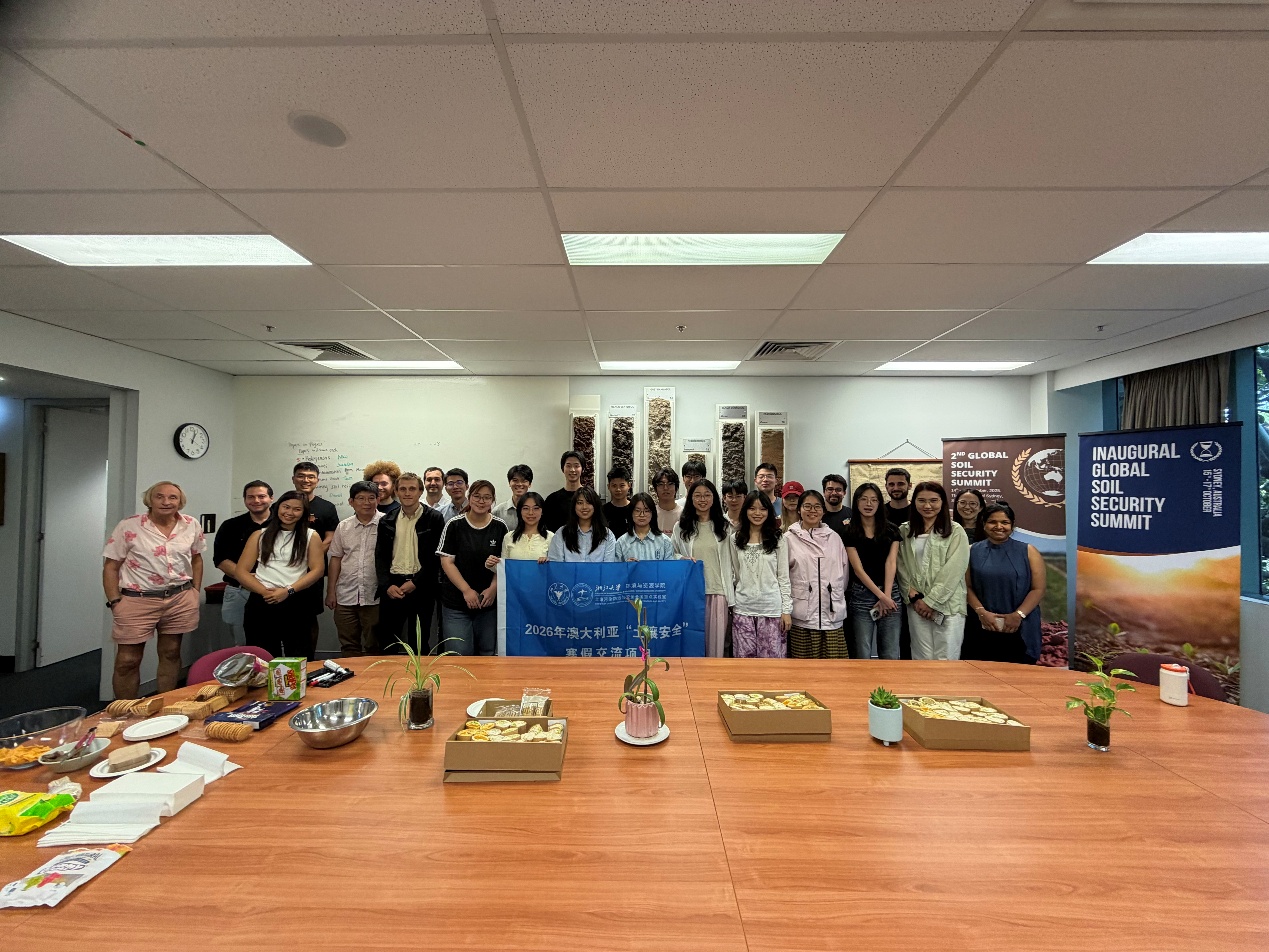
The group photo with Professor Alex McBratney, Professor Budiman Minasny, and their team
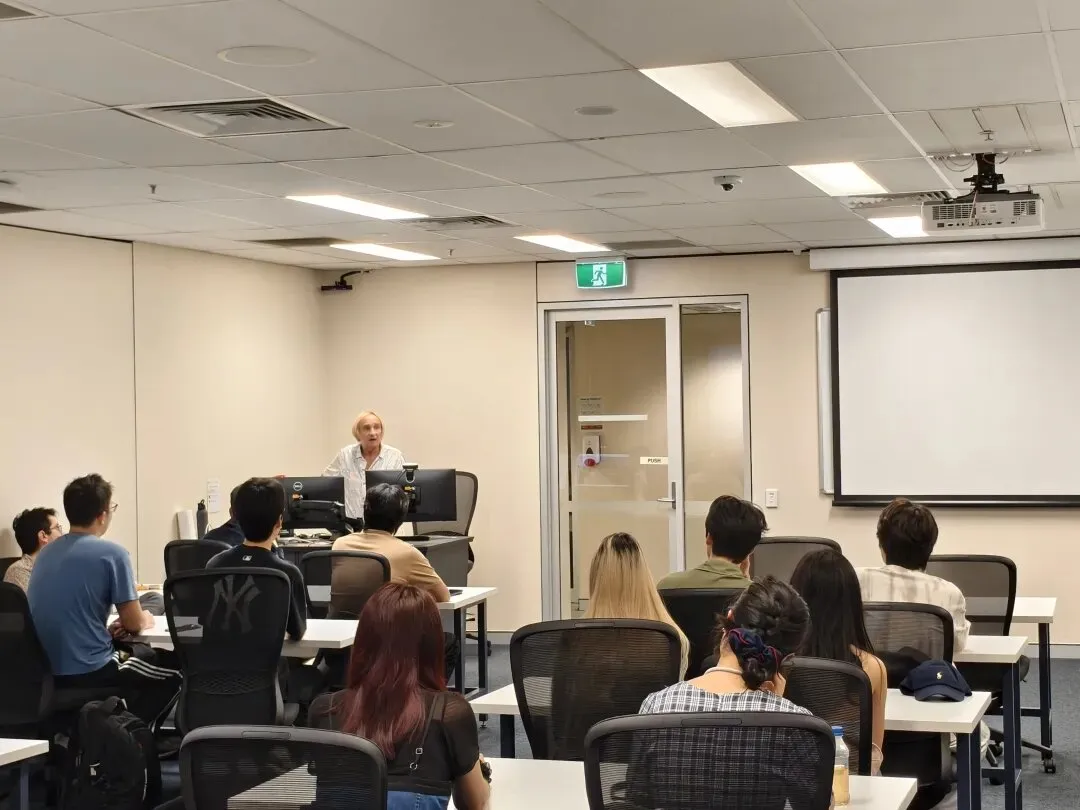
Welcome Speech by Professor Alex McBratney
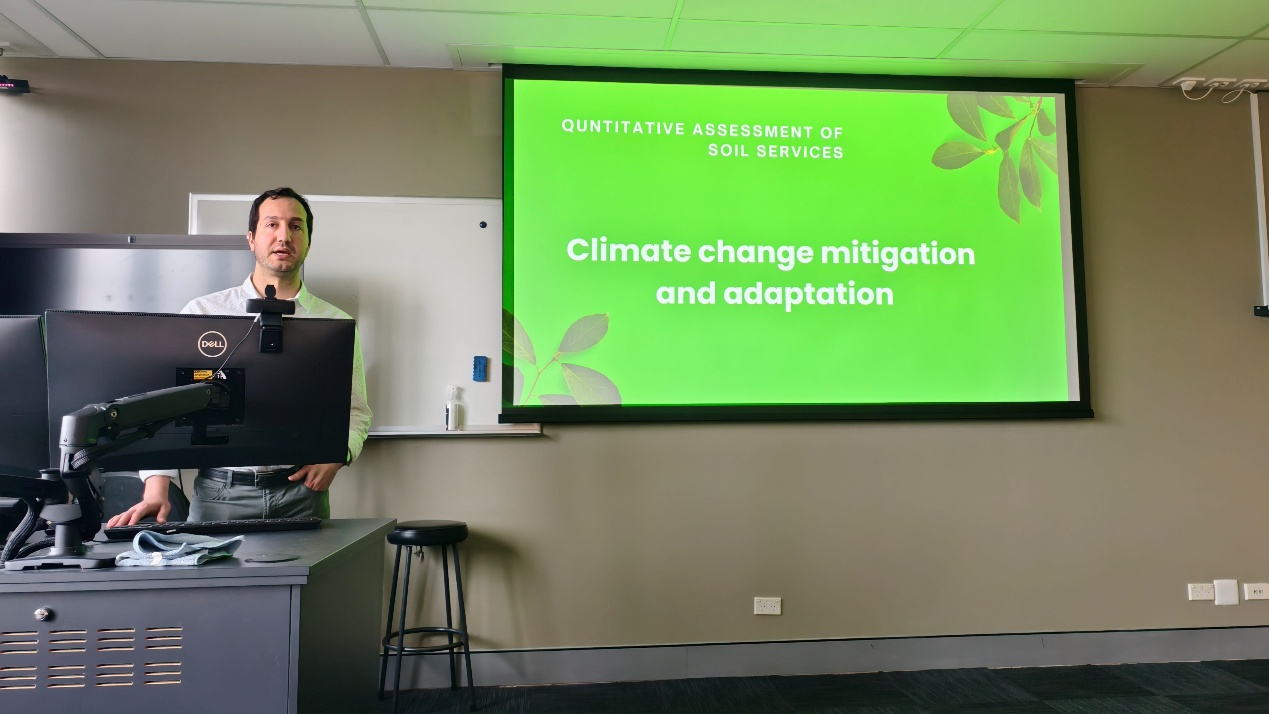
Postdoctoral Fellow Dr. Amin Sharififar Gives a Report
Fieldwork in Action—Hunter Valley and Boudi National Park
The fieldwork team also visited the Hunter Valley region and Bouddi National Park, where they embarked on an in-depth study tour focused on soil and geology.
In the morning, the faculty and students visited the historic Peterson Vineyard, which has a history of half a century. There, they conducted field observations on the evolution of the physical and chemical properties of human-altered soils, gaining a deeper understanding of the dynamic balance between agricultural practices and soil health.
In the afternoon, at a typical coastal landform site within the Sydney Basin, the students carefully examined exposed, thick-bedded quartz sandstone strata from the Triassic period. Guided by their professors, they traveled across time and space to reconstruct the region's ancient depositional environment, deeply analyzing the soil formation mechanisms driven by the interaction between coastal dynamics and rock weathering.
Observing the intertidal zone, the students found that the soil's mechanical composition—or particle size distribution—is dominated by coarse quartz sand, resulting in a rough texture and extremely high permeability. Pulverized shell gravel, ground into fine powder by wave action, mixes into the sand. This process causes the otherwise potentially acidic, sandstone-derived soil to exhibit a mildly alkaline reaction. Furthermore, the soil's dark color originates from the release of iron and magnesium minerals during rock weathering.
Thanks to these findings, students can now clearly see how salinization and calcium-based characteristics develop over time within a changing coastal environment. Consequently, this field experience significantly enhanced their practical ability to translate classroom theory into real-world field recognition.
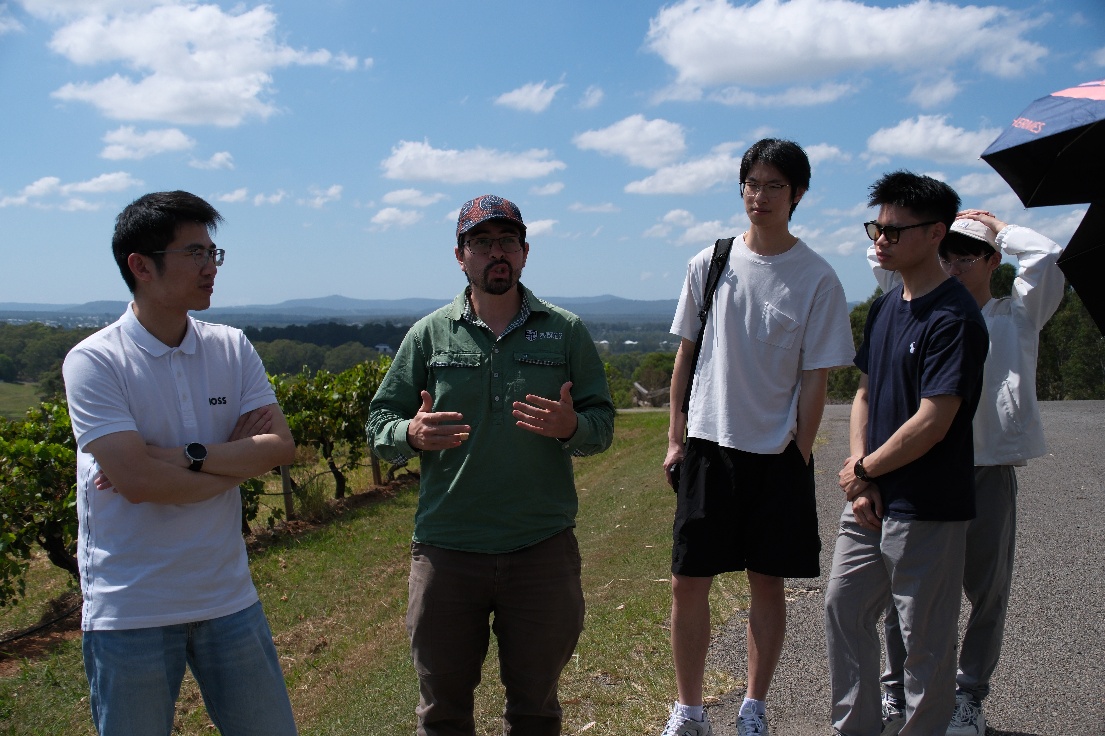
Julio Pachón Maldonado is giving a geology internship explanation
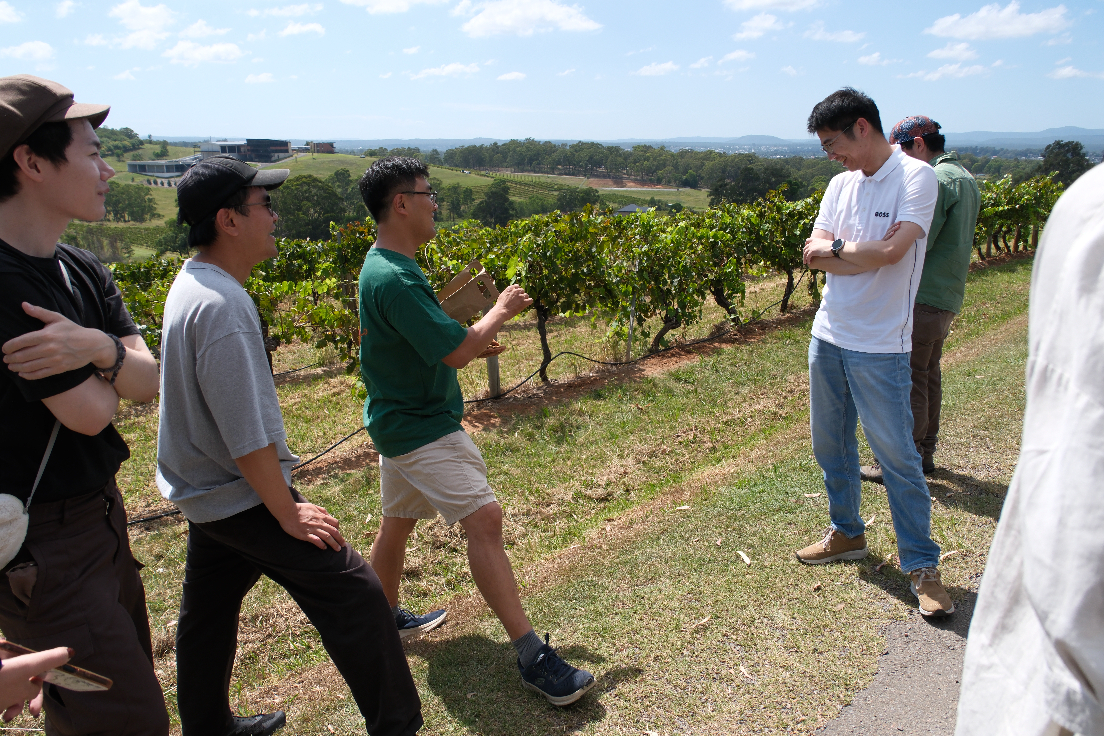
Jay (Ho Jun) Jang is introducing Hunter Valley
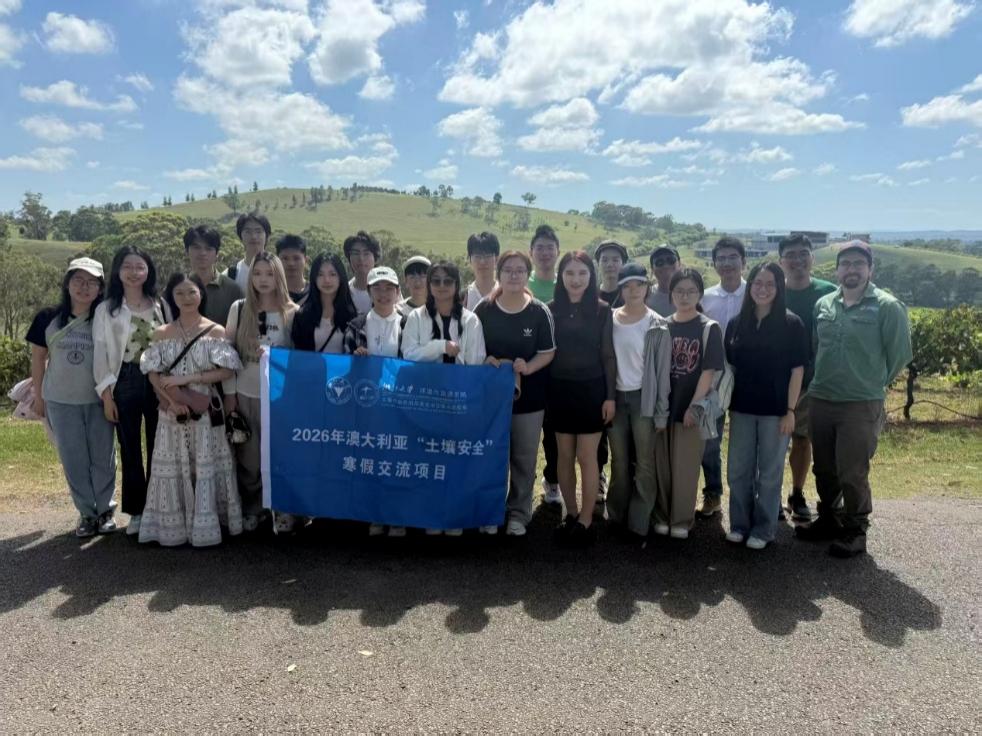
Hunter Valley field internship group photo
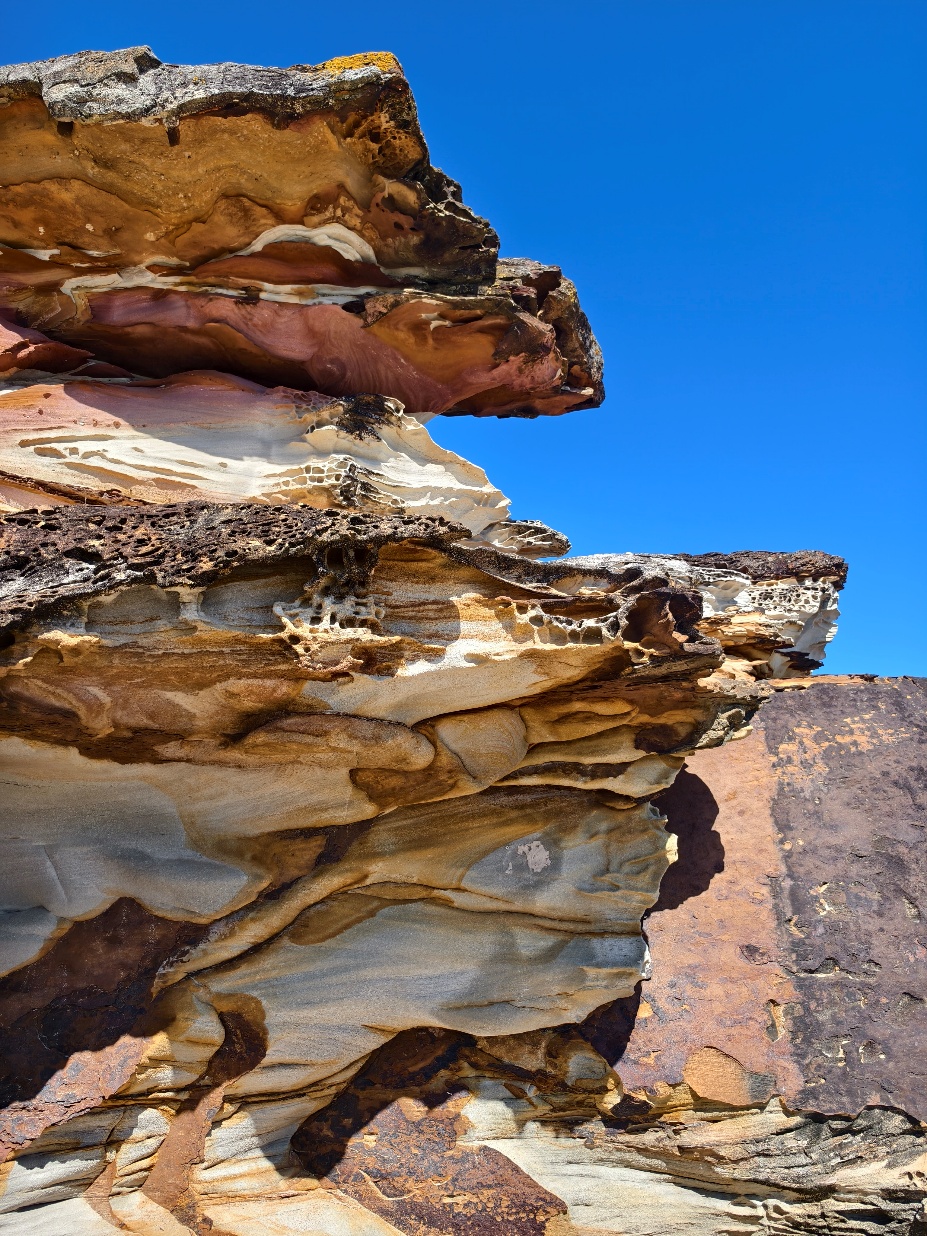
Thick Triassic quartz sandstone
Engaging with the China Studies Centre, the University of Sydney
As an important international partner of Zhejiang University's College of Environmental and Resource Sciences, the University of Sydney has a long and profound history of academic engagement with China. During their coursework, the fieldwork team paid a special visit to the China Studies Centre at the University of Sydney, where they attended an in-depth presentation by Professor David Goodman, a Fellow of the Australian Academy of the Social Sciences and Director of the Centre.
Professor Goodman is both a participant in and a promoter of China-Australia cultural exchange. Since the 1960s, he has been deeply engaged in Chinese studies. He first visited China in 1976 and has since taught at several universities in China, the United Kingdom, and Australia, with a long-term focus on local governance, social change, and China-Australia relations.
Drawing on decades of academic and cross-cultural experience, Professor Goodman introduced the academic orientation and research directions of the China Studies Centre, as well as the local China studies ecosystem, the Chinese communities in Sydney, and the current state of China-Australia educational and cultural exchanges. The presentation provided students with a more intuitive and deeper understanding of China-Australia academic collaboration, cross-cultural dialogue, and the study of China from a global perspective.
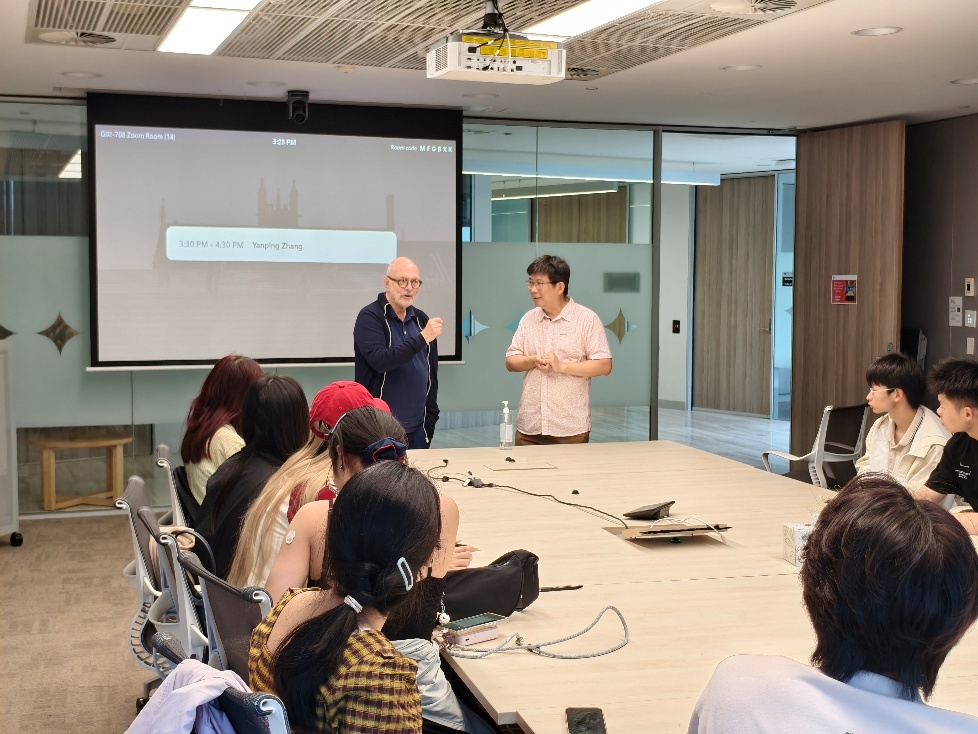
Professor David Goodman is giving a presentation
At the Forefront of Policy and Science: Exchange with DCCEEW
The fieldwork team visited the New South Wales Department of Climate Change, Energy, the Environment and Water (DCCEEW) for an exchange and hands-on activities with the government environmental agency.
Five senior researchers from DCCEEW—Mingxi Zhang, Yuxin Ma, Ester Zhu, Angela, and Ting Bai—delivered five comprehensive and engaging academic presentations focusing on three core areas: regional soil erosion in Australia, soil organic carbon dynamics, and wildfire risk prediction.
The Australian team demonstrated the practical application of several cutting-edge research technologies, including the development of automated workflows using ArcGIS Pro and Python, as well as the integration of rainfall data with satellite remote sensing data to achieve monthly-scale calculations of slope erosion.
During the Q&A session, students from Zhejiang University's College of Environmental and Resource Sciences actively posed questions on technical details such as model construction logic and ecological risk assessment, fostering a vibrant academic atmosphere.
This practical exchange not only allowed students to gain first-hand insight into the latest applied outcomes of an overseas government environmental department but also broadened their academic horizons through cross-institutional and interdisciplinary dialogue, building valuable experience for their future research practice.
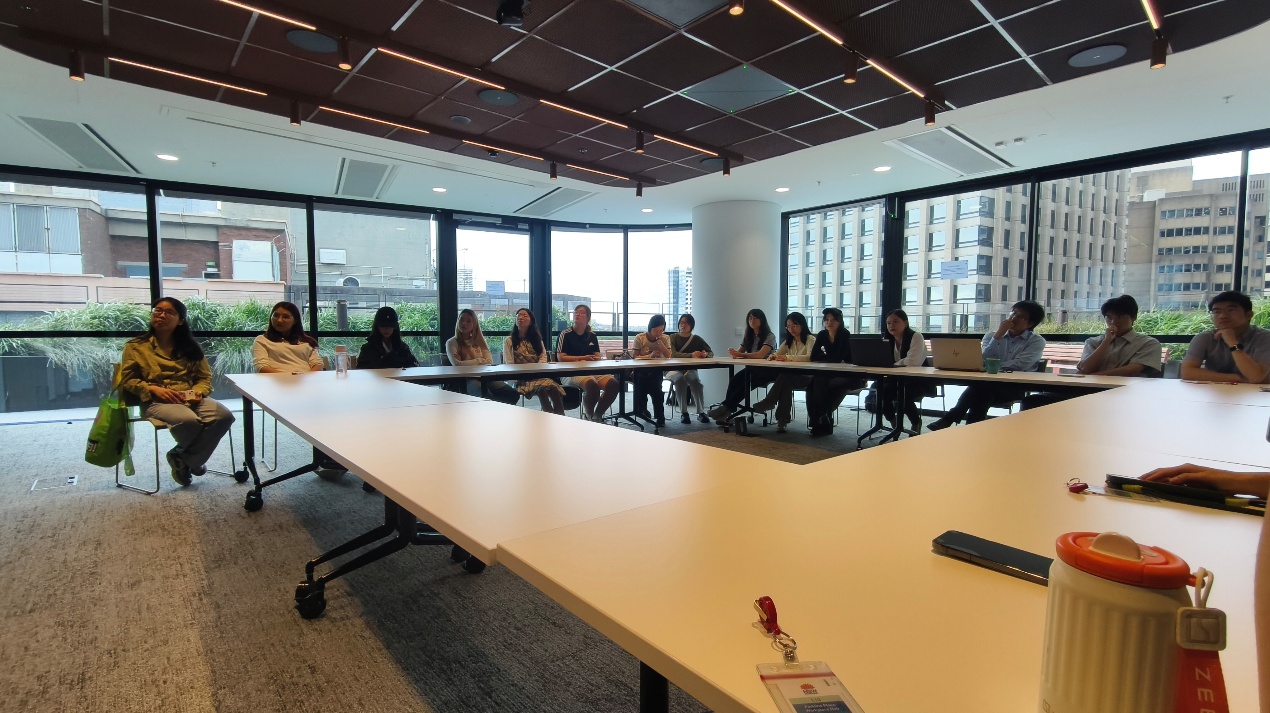
Students and Professors listen to the report on site
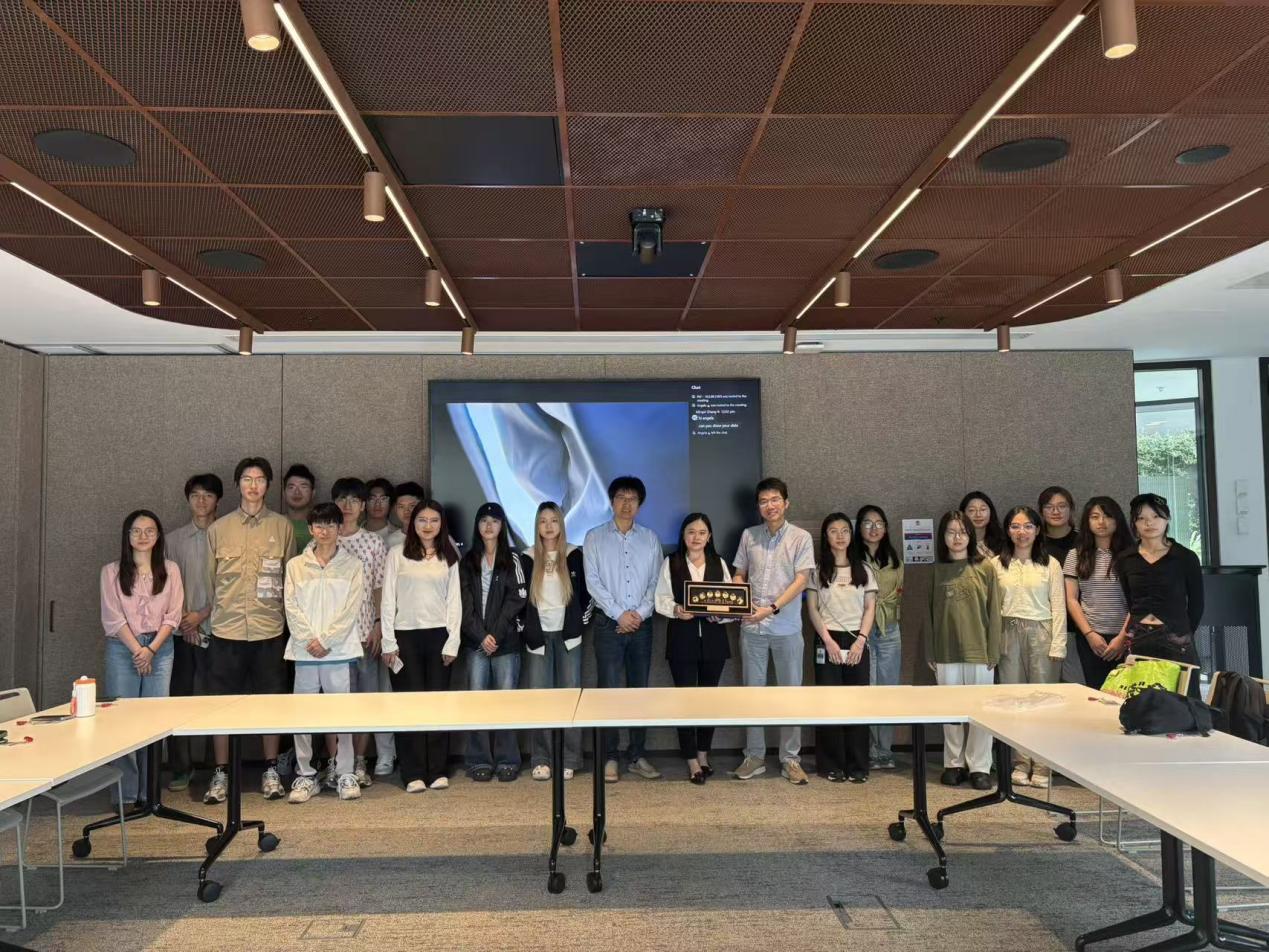
Group photo with the New South Wales DCCEEW team
Where Journeys Take Root: Closing Reflections
This trip to Australia not only allowed the students to gain firsthand insight into the achievements of overseas government departments in the environmental field, but also helped them deeply appreciate the irreplaceability of soil as a "multi-dimensional value entity" in production, environment, and society.
Soil security is not only about the soil itself, but also about the connection between humans and the land, as well as the warmth of scientific management.
With an interdisciplinary perspective, students from the College of Environmental and Resources Sciences, Zhejiang University will continue to contribute Chinese solutions to sustainable land management and ecological protection through this comprehensive set of research and practical methods.